English
 ภาษาไทย

Pickleball: Stay Active While Reducing Injury Risk
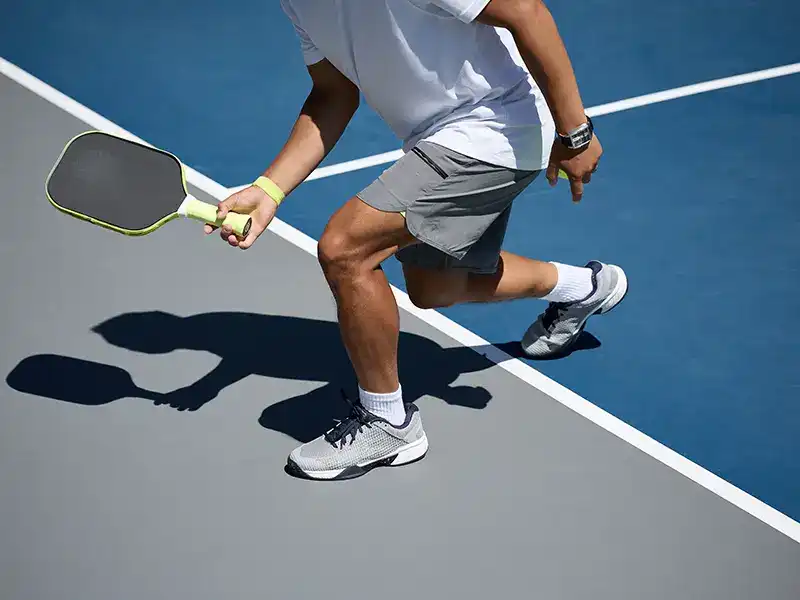
Pickleball has become one of the fastest-growing recreational sports because it is easy to learn, enjoyable, and suitable for people of all ages. Although it generally involves less impact than many other racket sports, the game still requires quick footwork, rapid direction changes, repetitive strokes, and frequent acceleration and deceleration. These movements can place significant stress on muscles, tendons, and joints if the body is not adequately prepared.
Common injuries among pickleball players include elbow pain, wrist tendon irritation, shoulder pain, knee discomfort, Achilles tendinopathy, ankle sprains, and lower back pain. Beginners, older adults, and individuals returning to exercise after a long break may be at higher risk, especially when training volume increases too quickly or proper technique is overlooked.
Physical therapy plays an important role in both injury prevention and rehabilitation. A physical therapist can evaluate movement patterns, joint mobility, muscle strength, balance, and flexibility to identify potential risk factors before they develop into painful conditions. Individualized exercise programs can then be designed to improve core stability, lower limb strength, shoulder control, and overall movement efficiency during play.
For injured players, rehabilitation focuses on relieving pain, restoring mobility, rebuilding strength, and gradually progressing back to sport-specific activities. Returning to play too early may increase the likelihood of recurrent injuries, making a structured rehabilitation program essential for long-term success.
Whether you are a beginner or an experienced pickleball player, investing in proper conditioning, warm-up routines, and professional physical therapy can help you enjoy the game safely, improve your performance, and continue playing with confidence for years to come.