English
 ภาษาไทย

Pilates: More Than Exercise, A Path to Better Movement and Recovery
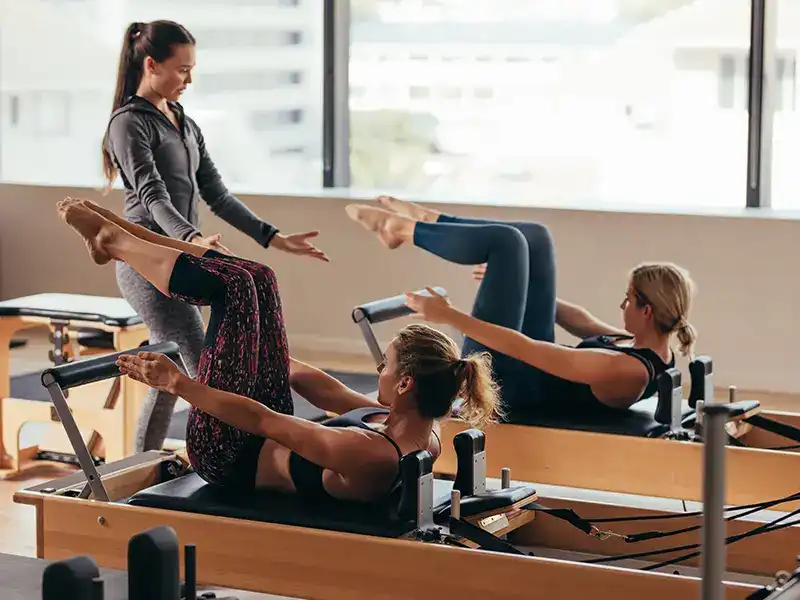
Pilates has become one of the world's most popular forms of exercise because it improves core strength, balance, flexibility, posture, and body awareness. Unlike workouts that focus primarily on intensity or repetition, Pilates emphasizes precise movement, controlled breathing, and proper muscle activation. These principles make it suitable for beginners, athletes, older adults, and individuals recovering from injury or surgery.
Although many people associate Pilates with fitness or body toning, it is also widely incorporated into modern physical therapy and rehabilitation. Pilates exercises strengthen the deep stabilizing muscles of the trunk, pelvis, and spine while promoting efficient movement patterns. Improved core stability reduces unnecessary stress on joints and supports better posture during daily activities, work, and sports.
Pilates can benefit individuals experiencing low back pain, neck and shoulder pain, Office Syndrome, poor balance, or movement dysfunction. It is also an excellent complement to sports training by improving flexibility, muscular endurance, coordination, and movement control. When combined with proper strength and conditioning, Pilates may help reduce the risk of overuse injuries and enhance overall physical performance.
In physical therapy practice, Pilates-based rehabilitation begins with a comprehensive assessment of posture, movement quality, muscle strength, flexibility, and functional limitations. Based on these findings, a physical therapist designs an individualized exercise program that matches each patient's goals—whether reducing pain, recovering after surgery, improving joint stability, or preparing to return to sports safely.
Although Pilates is considered a low-impact form of exercise, proper technique is essential to maximize its benefits. Learning under the guidance of a qualified physical therapist or certified instructor ensures that each movement is performed safely and effectively. With consistent practice, Pilates can become a valuable long-term strategy for improving movement quality, preventing injuries, and supporting lifelong musculoskeletal health.